
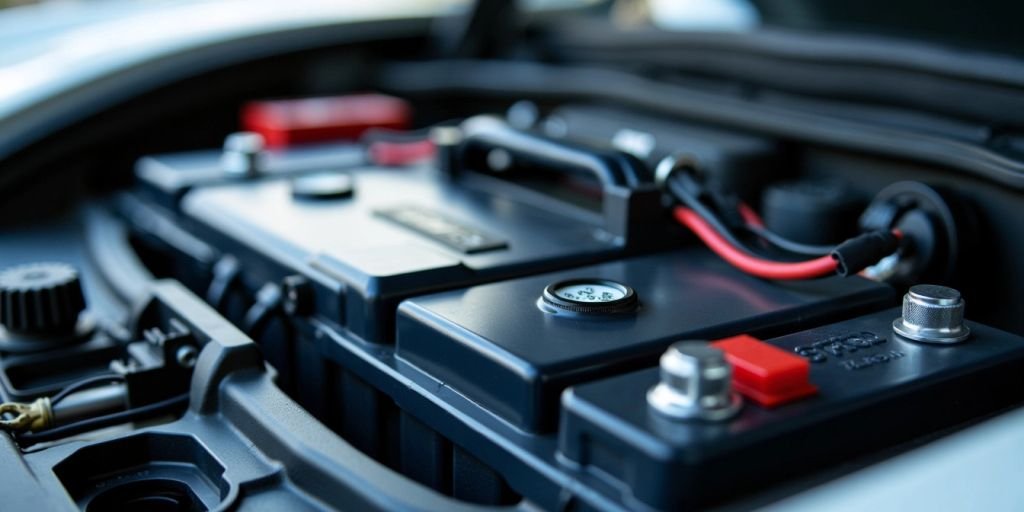
Electric vehicle (EV) batteries are essential for the performance and longevity of electric cars. However, like all batteries, they do experience wear and tear over time. Understanding how these batteries degrade, the factors influencing their lifespan, and how to care for them can help EV owners maximise their investment.
- EV batteries degrade over time, but most will last well beyond the typical vehicle lifespan.
- Proper charging practises and temperature control can significantly enhance battery longevity.
- Future advancements in battery technology promise even longer-lasting and more efficient batteries.
Understanding Electric Vehicle Battery Degradation
Electric vehicle (EV) batteries, like all batteries, do degrade over time. However, the good news is that many modern EV batteries are showing impressive longevity.
Factors Affecting EV Battery Longevity
- Temperature: Extreme heat or cold can harm battery health.
- Charging habits: Frequent fast charging can lead to faster degradation.
- Battery chemistry: Different types of batteries degrade at different rates.
How EV Batteries Degrade Over Time
EV batteries typically experience a gradual loss of capacity. On average, they degrade at about 1.8% per year. This means that if you start with a battery that has a range of 500 km, you might expect it to still have around 450 km after ten years.
Comparing Degradation Rates Across Models
| Model | Average Degradation Rate | Battery Type |
| 2015 Tesla Model S | 2.3% | Liquid-cooled lithium-ion |
| 2015 Nissan Leaf | 4.2% | Passive air-cooled lithium-ion |
While EV batteries do wear out, advancements in technology are helping them last longer than ever. Geotab research shows that EV batteries could last 20 years or more at observed degradation rates.
Maximising the Lifespan of Your Electric Vehicle Battery
Optimal Charging Practises
To maximise your electric vehicle battery life, it’s important to follow some best practises when charging:
- Use rapid DC charging sparingly: While it’s convenient, frequent use can generate heat and lead to faster degradation.
- Maintain an even charge: Try to keep your battery charged between 20% and 80% to reduce stress on the battery.
- Drive your car regularly: Regular use helps keep the battery healthy and can prevent issues from prolonged inactivity.
Temperature Management for EV Batteries
Temperature plays a crucial role in battery health. Here are some tips:
- Store your EV in moderate climates: If possible, park in a garage or shaded area to avoid extreme temperatures.
- Avoid extreme heat and cold: Batteries can degrade faster if exposed to temperatures below 0°C or above 27°C.
- Consider liquid cooling systems: Vehicles with liquid-cooled batteries tend to have better longevity.
The Role of Battery Management Systems
Battery Management Systems (BMS) are essential for maintaining battery health. They:
- Monitor temperature and voltage: This helps prevent overheating and overcharging.
- Equalise charge across cells: Ensures all cells are charged evenly, which can extend battery life.
- Adjust charging rates: The BMS can modify how quickly the battery charges based on its current state.
The Future of Electric Vehicle Batteries

Advancements in Battery Technology
The future of electric vehicle (EV) batteries looks bright with exciting new technologies on the horizon. Companies are working hard to improve battery performance, making them last longer and charge faster. For instance, a company called Graphenano is developing a graphene battery that it claims will offer an estimated range of 500 miles and can be recharged in just a few minutes.
Second Life Applications for EV Batteries
Once EV batteries reach the end of their life in vehicles, they can still be useful. Here are some ways they can be repurposed:
- Energy storage for homes or businesses.
- Backup power during outages.
- Grid support to help manage energy supply and demand.
Predicted Trends in EV Battery Longevity
Experts believe that EV batteries will continue to improve in longevity. Here are some key predictions:
- Longer lifespan: Many batteries may last over 20 years.
- Lower degradation rates: Newer models are showing less wear over time.
- Better recycling methods: More efficient ways to recycle old batteries will emerge.
The future of EV batteries is not just about driving; it’s about creating a sustainable energy ecosystem that benefits everyone.
Practical Considerations for Electric Vehicle Owners

Warranty and Replacement Policies
When you buy an electric vehicle (EV), it’s important to understand the warranty that comes with the battery. Most manufacturers offer warranties that last between 8 to 10 years, covering significant battery degradation. This means if your battery loses too much capacity, you can get a replacement at no extra cost. Always check the details of the warranty to know what is covered.
Impact of Driving Habits on Battery Life
Your driving habits can greatly affect the lifespan of your EV battery. Here are some tips to help you:
- Avoid rapid charging whenever possible, as it can lead to faster degradation.
- Keep your battery charge between 20% and 80% to prolong its life.
- Regularly use your EV; frequent use is better than letting it sit idle for long periods.
Choosing the Right EV for Your Needs
Selecting the right electric vehicle is crucial. Consider the following factors:
- Battery capacity: Larger batteries can provide longer ranges but may cost more.
- Charging options: Look for models that support both home and public charging.
- Manufacturer reputation: Research brands known for reliable battery performance.
Remember, understanding your EV's battery and how to care for it can lead to a longer lifespan and better performance.
Summary Table of Warranty Policies
| Manufacturer | Warranty Duration | Coverage Details |
| Brand A | 8 years | 70% capacity |
| Brand B | 10 years | Full replacement |
| Brand C | 8 years | Limited coverage |
While EV batteries do wear out over time, they tend to last longer than many expect. Most retain a significant amount of power after years of use, with many functioning at around 80% capacity even after 12 years. This means the battery could outlast the car itself for most drivers. Additionally, once they lose charging efficiency, EV batteries can often be repurposed, such as for storing solar energy. Battery technology continues to improve, so with proper care, your EV battery can last for many years.
Frequently Asked Questions
Do electric vehicle batteries eventually wear out?
Yes, like all batteries, electric vehicle (EV) batteries do wear out over time. However, they usually last much longer than the car itself, often being usable for other purposes after their life in the vehicle.
How often do I need to replace my EV battery?
Most EV batteries can last over a decade without needing a replacement. They typically degrade slowly, losing only a small percentage of their capacity each year.
Will my electric car lose range as the battery ages?
Yes, as the battery degrades, the car’s range will decrease. However, the loss is usually gradual and may not significantly affect daily driving needs.


