
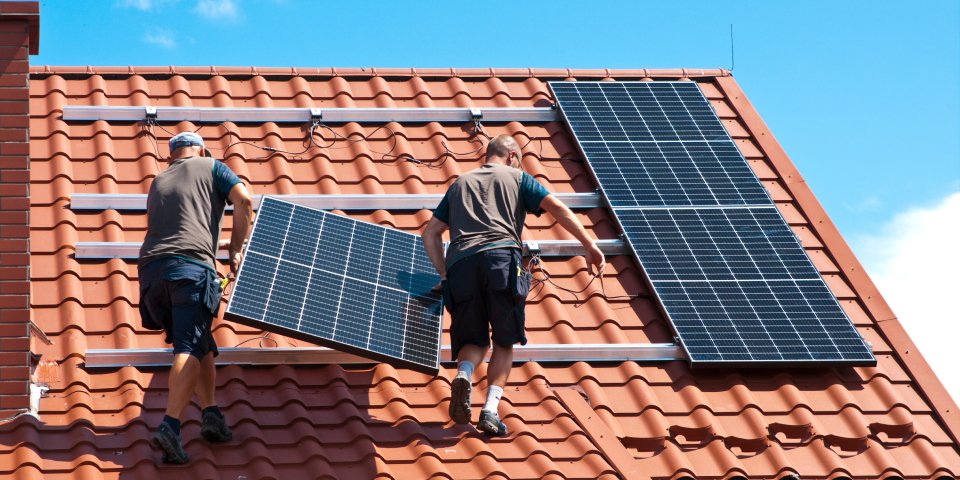
Solar oversizing is a practise that involves installing more solar panels than what the inverter can handle. This might sound strange, but it can actually be a smart move. By oversizing your solar system, you can capture more energy, especially during peak sunlight hours.
- Oversizing solar panels can lead to better energy capture and efficiency.
- It’s crucial to understand inverter limits and regulations to avoid issues.
- Proper planning and installation can maximise the benefits of oversizing.
Understanding Solar Oversizing
Definition and Concept
Solar oversizing refers to the practise of installing more solar panels than the inverter can handle. This means that the solar system can produce more energy than the inverter can convert at any given time. Oversizing helps maximise energy production and ensures the inverter operates closer to its maximum capacity during periods of less-than-ideal sunlight.
Why Oversizing is Important
Oversizing is crucial for several reasons:
- Increased Energy Production: More panels can capture more sunlight, especially on sunny days.
- Efficiency: It allows the inverter to work more efficiently, reducing energy losses.
- Future-Proofing: As energy needs grow, having extra capacity can be beneficial.
Common Misconceptions
Many people believe that oversizing can lead to wasted energy or damage to the inverter. However, this is not true if done correctly. Some common myths:
- Oversizing is always bad: It can actually enhance performance.
- It damages the inverter: Inverters are designed to handle some level of oversizing.
- It’s too expensive: The long-term savings often outweigh the initial costs.
Oversizing your solar system can lead to significant benefits, including better energy efficiency and cost savings over time.
Technical Aspects of Solar Oversizing

Inverter Capabilities
When it comes to solar oversizing, understanding inverter capabilities is crucial. Inverters convert the direct current (DC) from solar panels into alternating current (AC) for home use. Here are some key points:
- Oversizing allows for a better match between solar panel output and inverter capacity.
- A common rule is that solar panels should be 10-20% larger than the inverter.
- Oversizing can lead to increased energy production, especially in low-light conditions.
Regulatory Limitations
Regulatory limitations can affect how much you can oversize your solar system. Here are some important regulations:
- Most areas allow a maximum of 5 kW of inverter capacity per phase.
- The maximum panel capacity is typically 1.33 times the inverter capacity.
- Local regulations may vary, so it’s essential to check with your Distributed Network Service Provider (DNSP).
Impact on System Efficiency
Oversizing can have both positive and negative impacts on system efficiency:
- Increased Efficiency: Properly sized systems can operate more efficiently, especially during peak sunlight hours.
- Potential Drawbacks: If the inverter is oversized too much, it can lead to reduced efficiency and potential warranty issues.
| Aspect | Positive Impact | Negative Impact |
| Energy Production | Higher yields in low light | Reduced efficiency if oversized too much |
| System Cost | Lower overall costs | Possible warranty voiding |
| Safety | Improved performance | Increased fire risk if not installed correctly |
Note: Always consult a qualified solar designer to ensure your system is safe and effective.
Understanding these technical aspects can help you make informed decisions about solar oversizing, ensuring you get the most out of your solar investment.
Financial Implications of Solar Oversizing
Cost-Benefit Analysis
When considering solar oversizing, it’s essential to weigh the costs against the benefits. Here are some key points to consider:
- Initial Investment: Oversizing may require a larger upfront cost due to additional panels and possibly a more powerful inverter.
- Long-Term Savings: An oversized system can lead to significant savings on electricity bills over time, as it can generate more energy than a standard system.
- Return on Investment (ROI): The ROI can be higher with an oversized system, especially in areas with high electricity rates.
Government Incentives
Many governments offer incentives for solar installations, which can help offset the costs of oversizing. These may include:
- Tax credits
- Rebates for solar panel installations
- Feed-in tariffs for excess energy produced
Long-Term Savings
Investing in an oversized solar system can lead to substantial long-term savings. Here’s a simple breakdown:
| Year | Estimated Savings (AUD) |
| 1 | 1,200 |
| 2 | 1,300 |
| 3 | 1,400 |
| 4 | 1,500 |
| 5 | 1,600 |
Oversizing can provide long-term cost stability and protect you from the potential financial strain caused by escalating utility rates.
While the initial costs of solar oversizing may be higher, the potential for long-term savings and government incentives makes it a financially sound decision for many homeowners.
Practical Considerations for Solar Oversizing

Choosing the Right Inverter
When oversizing your solar system, selecting the correct inverter is crucial. Here are some key points to consider:
- Inverter Capacity: Ensure the inverter can handle the maximum output of your solar panels.
- Compatibility: Check if the inverter is compatible with your solar panel type.
- Efficiency Ratings: Look for inverters with high efficiency ratings to maximise energy conversion.
Installation Challenges
Installing an oversized solar system can present some challenges:
- Space Limitations: Ensure you have enough roof space for additional panels.
- Weight Considerations: Check if your roof can support the extra weight of more panels.
- Wiring Requirements: You may need to upgrade wiring to handle increased power output.
Maintenance and Safety
Proper maintenance and safety measures are essential:
- Regular Inspections: Schedule regular checks to ensure all components are functioning well.
- Safety Protocols: Follow safety guidelines during installation to prevent accidents.
- Professional Help: Always consider hiring a qualified installer to avoid potential issues.
Oversizing your solar system can lead to increased energy production, but it’s important to plan carefully to ensure safety and efficiency.
Oversizing allows you to use more solar energy than your inverter can handle at peak times, which can lead to better efficiency and savings. However, it’s important to follow local rules and guidelines to avoid any issues. Always consult with a professional to ensure that your system is set up correctly.
Frequently Asked Questions
What does oversizing mean in solar systems?
Oversizing in solar means having more solar panels than what the inverter can handle. For example, if you have a 5kW inverter, you might install 6.6kW of solar panels. This helps to make the most of the sunlight available.
Is it safe to oversize my solar inverter?
Yes, oversizing is generally safe if done correctly. Most inverters can handle about 133% of their rated capacity. However, it’s important to follow the manufacturer’s guidelines to avoid any issues.
Will oversizing my solar system save me money?
Yes, oversizing can lead to savings over time. By generating more energy, you can reduce your electricity bills and possibly qualify for government incentives.


